Hear the Tales and Trials of an Accidental Travel Writer

Author and former Canadian diplomat, Terry Keenleyside, discusses how he started writing his travel/recipe books and the challenges of competing in this genre against the likes of Bill Bryson and Paul Therox.

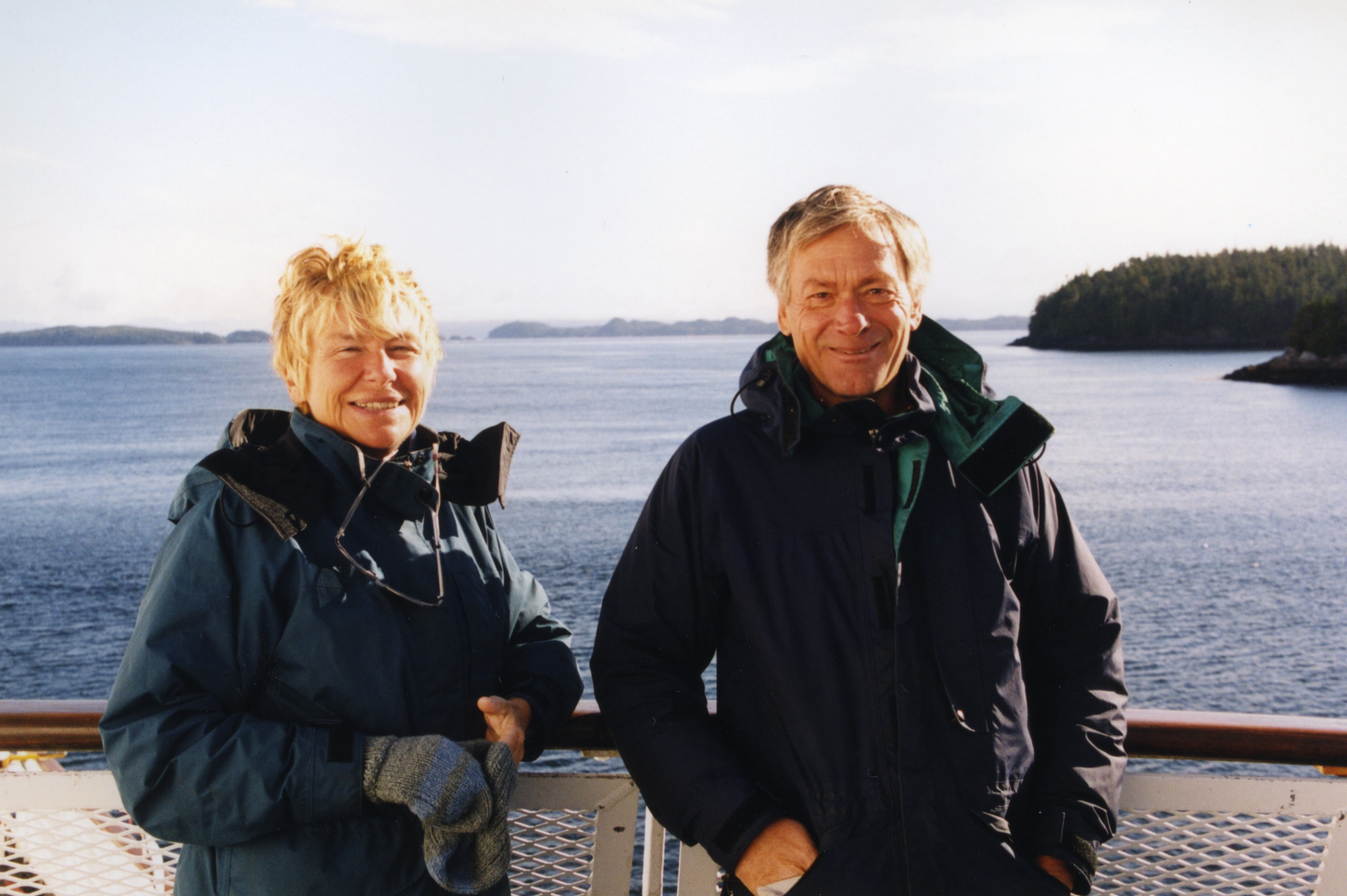
Using slides, he will also talk about some of the travel and culinary experiences he and his wife encountered as they crossed Canada, researching Roaming the Big Land: Flavours of Canada, a collection of entertaining and informative stories that capture in a personal way the essential character of the country.

Thursday, September 13, 7.30 p.m.

Beach Speakers’ Series

Juice and Java Cafe

2102 Queen St. East (at Wineva Ave.)

Complimentar jar of marmalade or mustard from recipes in Roaming the Big Land for all  purchasers of this book or Missing the Bus, Making the Connection: Tales and Tastes of Travel

Leave a comment

Tales and Trials of an Accidental Travel Writer

Author and former Canadian diplomat, Terry Keenleyside, discusses how he started writing his travel/recipe books and the challenges of competing in this genre against the likes of Bill Bryson and Paul Theroux.

Using slides, he will also talk about some of the travel and culinary experiences he and his wife encountered as they crossed Canada, researching Roaming the Big Land: Flavours of Canada, a collection of entertaining and informative stories that capture in a personal way the essential character of the country.

Thursday, August 9, 2.00 p.m.

Barbara Frum Branch, Toronto Public Library

20 Covington Road (Bathurst and Lawrence Ave.), Toronto

Tagged , , , | Leave a comment

Gravenhurst Boat Show, 2012

Planning to be out on the water this summer?

If so, why not visit the Antique and Classic Boat Show in Gravenhurst, Ontario on Saturday, July 7. It’s a great way to start the summer, enjoy beautiful craftmanship, and open yourself to new possibilities. We’ll be there, too, at the booth of Scott’s of Muskoka, signing copies of Roaming the Big Land: Flavours of Canada and Missing the Bus, Making the Connection: Tales and Tastes of Travel. They’re both ideal summer reading and will trigger your desire to explore new destinatations both by land and water. And with the books you receive a complimentary jar of marmalade or mustard from old Ontario recipes in Roaming the Big Land. Hope we’ll see you on the Muskoka Wharf at Gravenhurst on Saturday, July 7, 10.30 a.m. to 3.00 p.m.

Posted in books, travel books | Tagged , , , , | Leave a comment

Crazy About Carpets

I’ve always had a soft spot for oriental carpets. It’s a passion that I think I inherited from my father. He wasn’t much of a shopper, but he did like carpets, the Teke or Bukhara design of Turkmen tribal rugs in particular. So our family home was full of carpets. So is ours. Some are inherited, some bought at auction in Canada, and some in the carpet bazaars of Teheran and Damascus. We have so many that the last thing we needed to bring back from a recent trip to Turkey was more carpets.

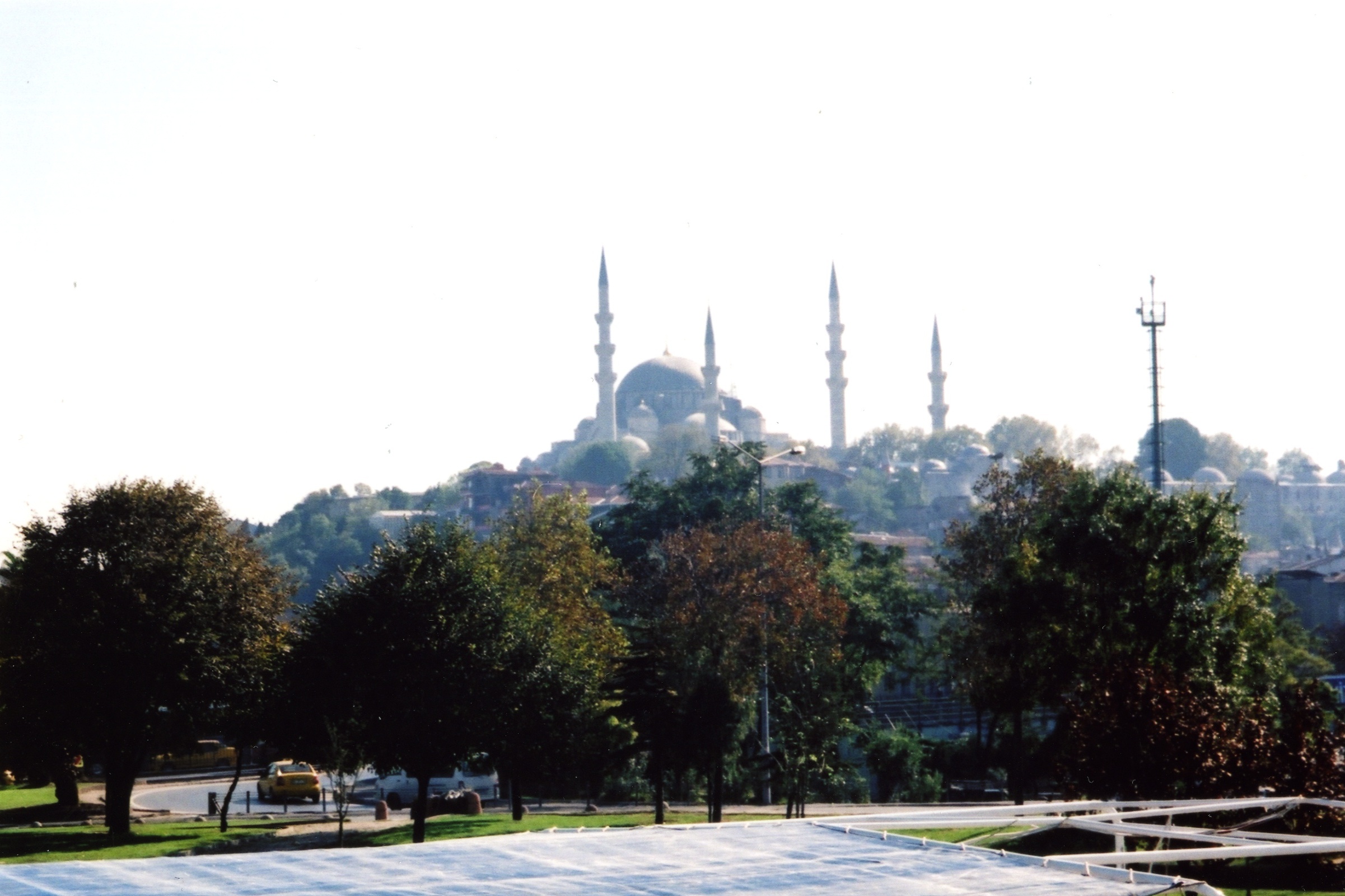
Istanbul is a throbbing city of some 14 million people that often sparkles like the emeralds in the Topkapi dagger. It’s cosmopolitan and urbane, but also an intriguing mix of old and very modern. The contrasts are everywhere and continuously apparent in the incessant stream of people you pass on the streets: moustached men crouching on the ground smoking nargils, Turkish waterpipes; others in smart business suits, carrying expensive leather cases, or in blue jeans, sweatshirts and baseball caps; women completely clothed in black and chic young girls in tight skirts and blouses bravely wobbling along cobblestone streets on four-inch heels.

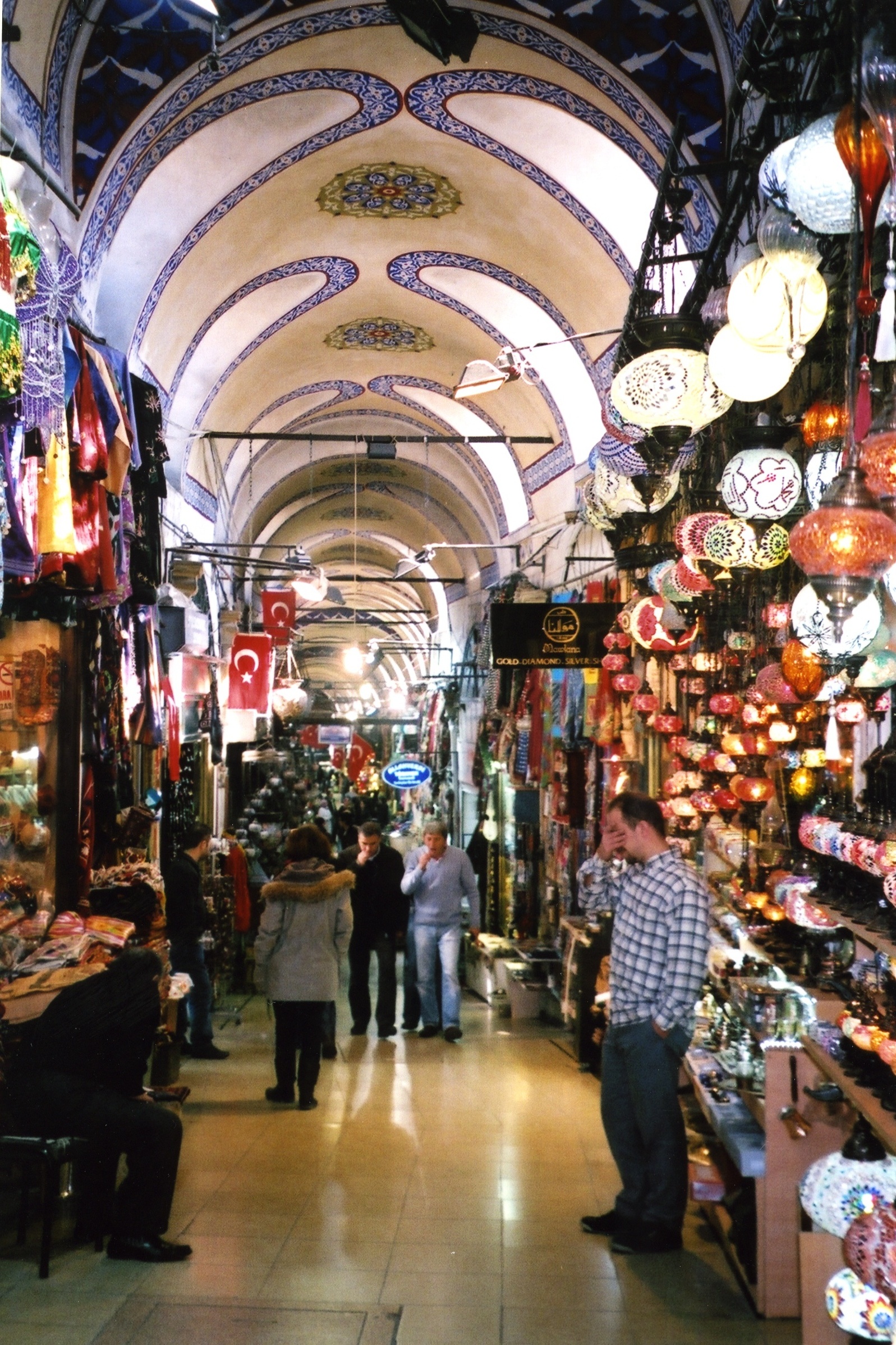
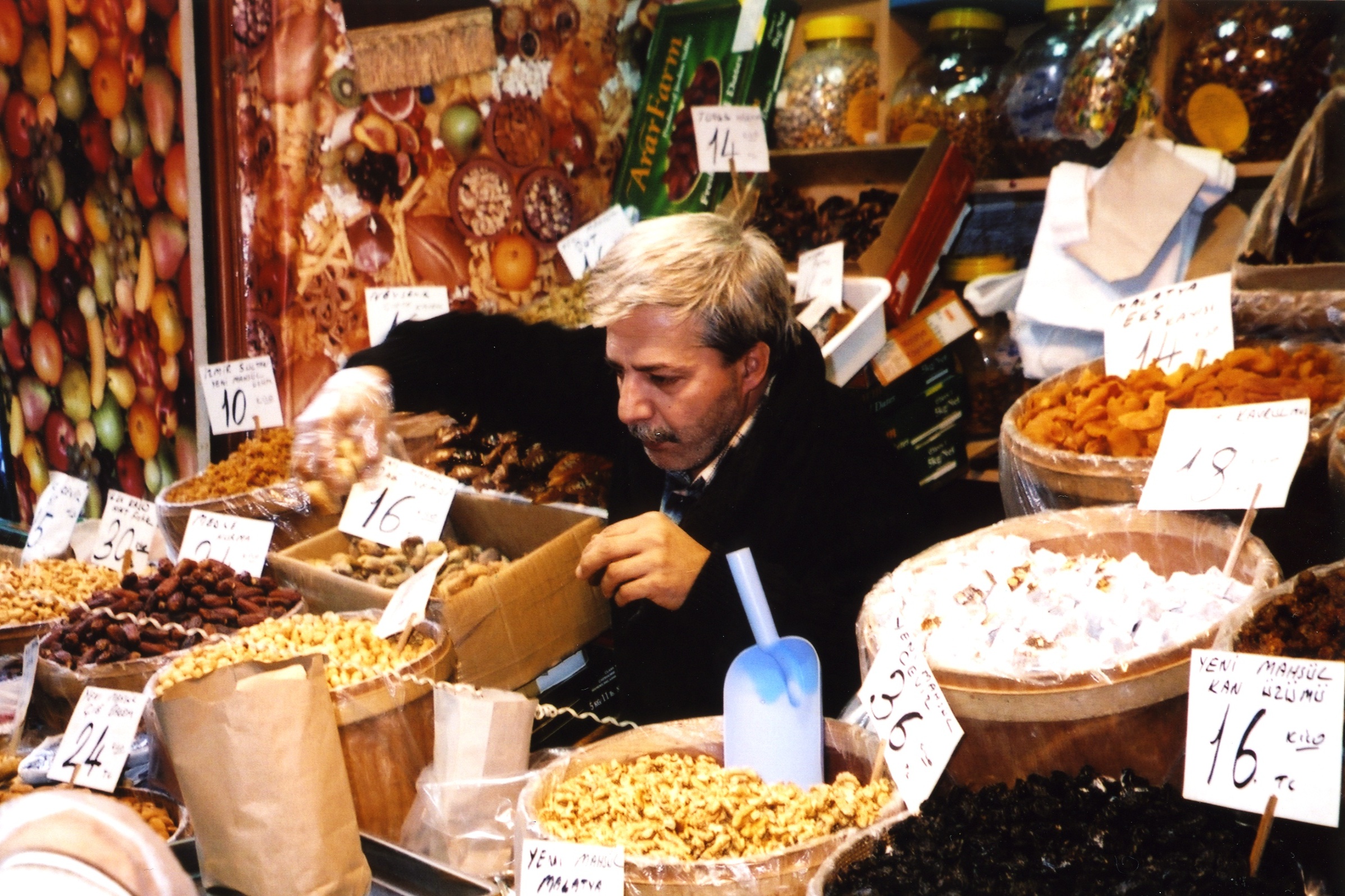
We do spend time in the capital shopping, it is true, along the crowded corridors of the Grand Bazaar, looking for t-shirts, earrings, and bracelets for our children and grandchildren. We shop in the moderately quieter Spice Bazaar as well, buying almonds and cashews to munch on later during long bus rides through the countryside and on hikes in the hills and along the alluring Aegean coast.

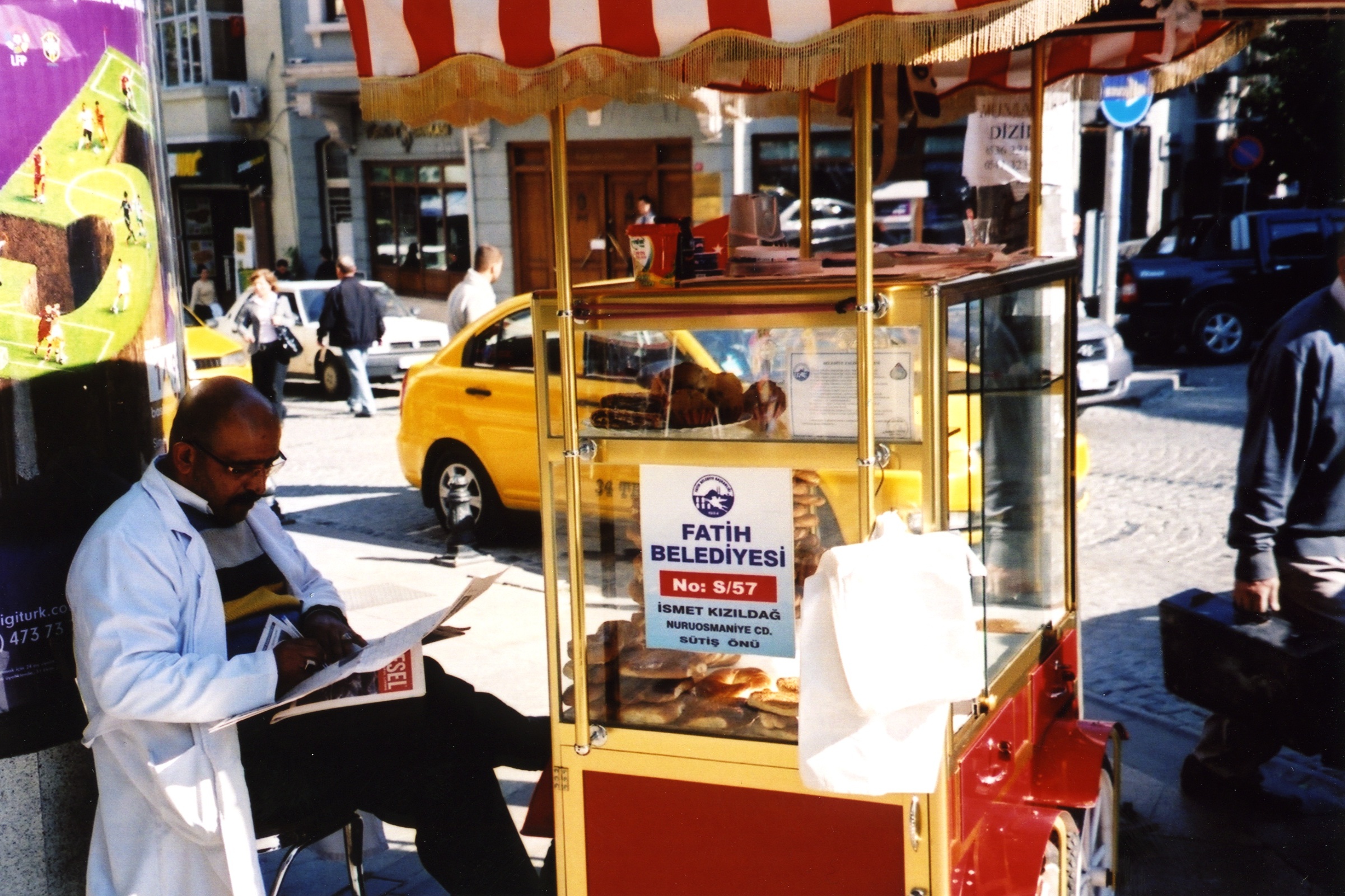
We hunt for souvenirs and buy quick lunches from the enticing offerings of street vendors. But we avoid the carpet shops altogether. “Come in. Pleae have a look around. Have a glass of tea. You don’t have to buy.”

“No thanks,” we smile. “We don’t want to tempt ourselves,” and we walk on.

After a week or so in Istanbul, the congestion starts to get to you. You tire of the constant human flow in the bazaars , along the streets, and over the Galata Bridge that crosses the Golden Horn, connecting the old Sultanahmet district with the fashionable modern city.

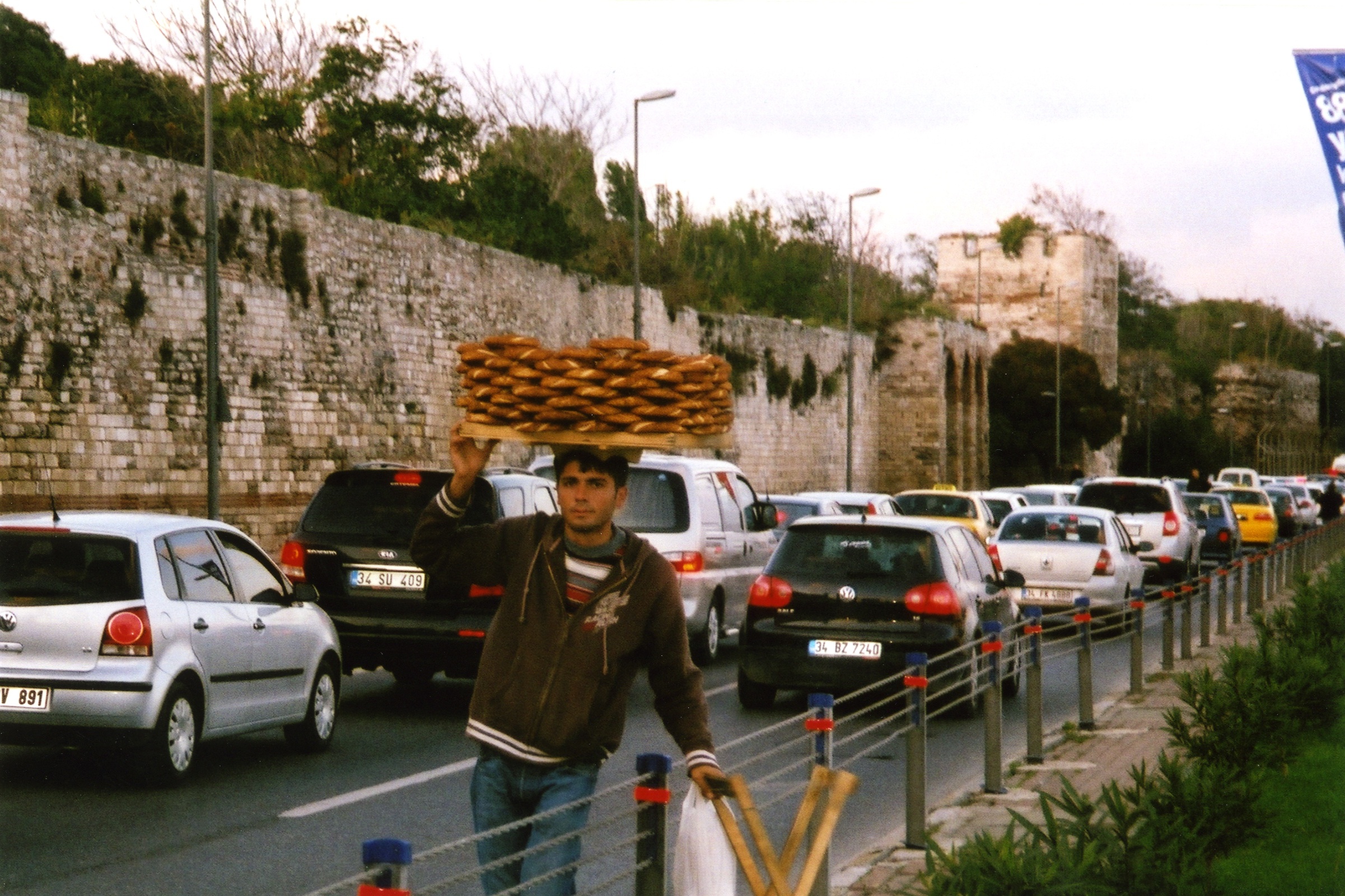
You get fed up with waiting in long lines to visit Aya Sofya, the Blue Mosque, and the Topkapi Palace. The traffic jams that bring joy to food hawkers make you long to escape the heat and fumes of Istanbul for the fresh air of the coast. So carpet-free, we leave Istanbul, taking a ferry across the Sea of Marmara, and a train to the city of Izmir. It is a voyage our hotel clerk, two travel agencies, and a taxi driver tell us cannot be made. “It’s impossible. There is no train on the other side of the sea. Everyone goes to Izmir by bus.” Well , we do it, and it is unquestionably the most convenient and comfortable way of getting there. But the metropolitan area of Izmir has a population of over 4 million. Although it’s on the coast and the sea breezes do offer respite from the heat, it bustles like a down-sized Istanbul. So before long we push on by train to the town of Selcuk, still unencumbered by carpets from Izmir’s own bazaar.

Selcuk is a quiet town where everyone seems to know everyone else. It’s a place where people want your business, but where it is also important to be friendly and helpful. After we decline a taxi at the railway station, choosing to walk to our hotel, the driver shows us the best route to take. Selcuk is where savvy tourists visiting the ancient ruins of Ephesus choose to stay, for it is just four kilometres outside the entrance; you can get to the site early in the morning before the inevitable tour buses arrive, or linger at the end of the day after they have left.

Our first night in Selcuk, after dinner in an outside cafe, we wander the main streets of the town. “Hi! Where are you from?” a young man standing outside a carpet shop hails us.

Mellow after several glasses of wine, our guard down, we stop and answer, “Canada.”

“Really? I’d love to go there. Where in Canada?”

“Toronto.”

“Toronto? No kidding? My uncle–the owner of the store–has a friend who wrote a travel book. It was reviewed in the Globe and Mail.”

“Really?” I answer, my own salesman’s antenna alerted. “I’m a travel writer myself.”

“Well, come in! You must meet my uncle. He’ll be interested in hearing about your books.”

So we take those fateful steps inside. Aydin Can, proprietor of the Black Sheep, is sitting at his computer. He is on Skype, talking to his girlfriend in Paris. But he, nevertheless, turns, gives us a broad smile, and says, “Hello.” He’s delighted to hear that I am an author, and shows us the book his nephew mentioned to us. We glance at it briefly and then apologize for interrupting his conversation with his girlfriend.

“No, no. Come and say hi.” So we wave at the young woman on his screen and she smiles and waves back. She even gives us a recommendation for dinner the next night–a restaurant across the street from the Black Sheep. “They have the best moussaka I’ve had anywhere. You really must go.”

Aydin’s nephew invites us to have a look around their store, but we decline. “It’s late,” I say, “and we’ve had a long day. Besides, we’re not buying any carpets. We have too many already.”

“Well then you must come back tomorrow. My uncle will want to talk with you about your travels when he has more time.”

“We’ll try,” I answer, and we leave for our hotel.

The next day we spend in the crumbling ruins of Ephesus, and then we walk back to our hotel. We even crowd in some additional sites like the tomb of St. John in the crumbled ruins of what would be today the seventh largest cathedral in the world. And then, on our way back to our hotel, we approach the Black Sheep carpet shop again.

“Maybe we should take another route,” Dot suggests. “They’re bound to stop us and urge us to visit.”

“Maybe we should,” I answer. “It would be impolite not to when we said we would try to get back. And it would be interesting to talk to Aydin about travel writing.”

Dot grins knowingly. It’s a look I have often seen before.

“Come in! Come in!” Aydin’s nephew greets us at the door again. “It’s good of you to have come back. You have kept your word. My uncle is not here at the moment, but come in and have some tea.”

He leads us up a steep flight of stairs to a loft filled with stacks and stacks of carpets. Other prized and expensive ones hang on the walls and from the rafters. Tea arrives and we start chatting about carpets. I tell him about my father’s love of them and how I have inherited his taste for Bukhara rugs in particular.

“Ah, you know a lot about carpets,” he flatters me. “Well, here, let me show you some,” and he spreads several out on the floor for us to inspect. He even snatches some small, rather garish “magic carpets” and flings them through the air, their colours and patterns changing as they fly across the room and slam onto the wooden floor. At last he pulls out a carpet that particularly catches our eyes. It’s a kilim actually, a flatwoven, woolen rug made by Kurds in eastern Turkey. “You really like this one, don’t you? I can tell.” 

“Yes, it’s very nice. How much is it, just out of curiosity?” He quotes a price that I know is not serious. “Phew!” I laugh. “It’s outside our range. Temptation averted!”

“Well, we can come down a little. How much do you want to spend?”

“No, I’m sorry. I like it, but we’re not buying. We don’t have room for any more carpets. We have a very small house.”

“Oh, you can always find room. You can hang it on a wall, for example.”

“The nephew pulls out several more carpets, but he knows right away that they don’t have the same appeal for us. “You really want that one, don’t you? If you like it, you should buy it.”

“No, no,” I say. “I’m sorry, but we really came in only to say hello to your uncle. I want to get his address so that I can send him copies of my two travel books.” We get up to leave. “Would you mind giving me his full address.”

“No, wait! I’ll phone him. He’ll come over. He’s not far away.

So Aydin arrives and, amid smiles and much laughter, the real bargaining begins. At last my will is broken and a deal is struck.

I  don’t know why we yielded. Was it because we liked the carpet so much that we figured we could, in fact, find a place to put it? Was it because Aydin and his nephew were so pleasant, friendly, and interesting that we felt we were now friends and we wanted the carpet as a reminder of our visit to Selcuk and the Black Sheep? Or was it because of the nature of the deal we finally struck for the purchase of the carpet. Added to the final price was a commitment on my part to furnish Aydin with free copies of my two travel books. He, on the other hand, agreed that the books would “hold a place of honour” in the guest library of the Selcuk hotel he was currently building.

So was it the prospect of having my books on a library shelf in far-off Selcuk that cinched the deal? Was it the vain (two meanings here) hope that a curious tourist would one day pull a copy down from that hotel shelf, rummage through it, and like the book enough to order a copy from the publisher, maybe even both books.

In the end, authors are no different than carpet merchants. They, too, are friendly, but persistent sellers. They’re always looking to do a deal!

You don’t have to go to Selcuk to read Missing the Bus, Making the Connection: Tales and Tastes of Travel and Roaming the Big Land: Flavours of Canada. You can buy them online by contacting the publisher at: www.penumbrapress.com.

Tagged , , , , | Leave a comment

Interested in taking an inexpensive trip to the Yukon, Northwest Territories and Nunavut?

Then come to the Downsview branch of the Toronto Public Library on Thursday, May 10, 2012 at 1.00 p.m. and travel to the three territories vicariously. Your tour guide will be author, T.A. Keenleyside, who will take you on this journey in both words and pictures.

Complimentary jars of marmalade and mustard from recipes in Roaming the Big Land: Flavours of Canada will be available for those who purchase personally autographed copies the book, offered for the occasion at the special price of $20.

Downsview Public Library, 2793 Keele Street, Toronto, Ontario M3M 2G3.

You may register in person at the library or by calling 416-395-5720, or emailing: doprograms@torontopubliclibrary.ca

“What I remember most about that evening is not our meal of charbroiled Yukon king salmon, but the verse by Robert W. Service that was inscribed on the wall of an abandoned store across the road from Kate’s, and I recite it to myself on the plane as I gaze fondly at my poke:

I wanted the gold, and I sought it;

                                                                                 I scrabbled and mucked like a slave….

                                                                                 I wanted the gold and I got it–

                                                                                 Came out with a fortune last fall,–

                                                                                 Yet somehow life’s not what I thought it,

                                                                                 And somehow the gold isn’t all.

No, it really isn’t. Not for anybody. It’s about getting in and getting out. It’s all about the trek. (“Trekking for Gold” in Roaming the Big Land: Flavours of Canada).

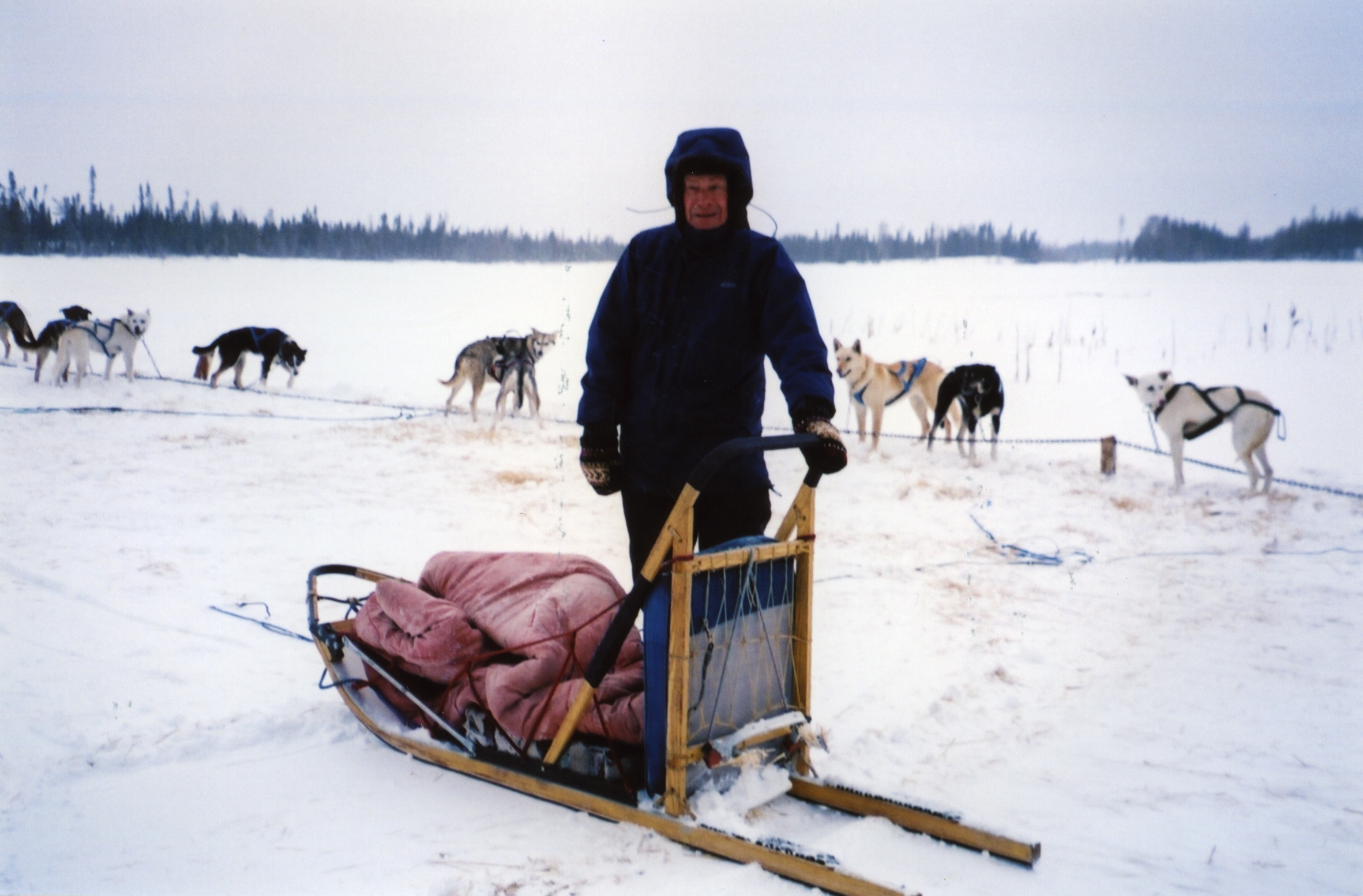
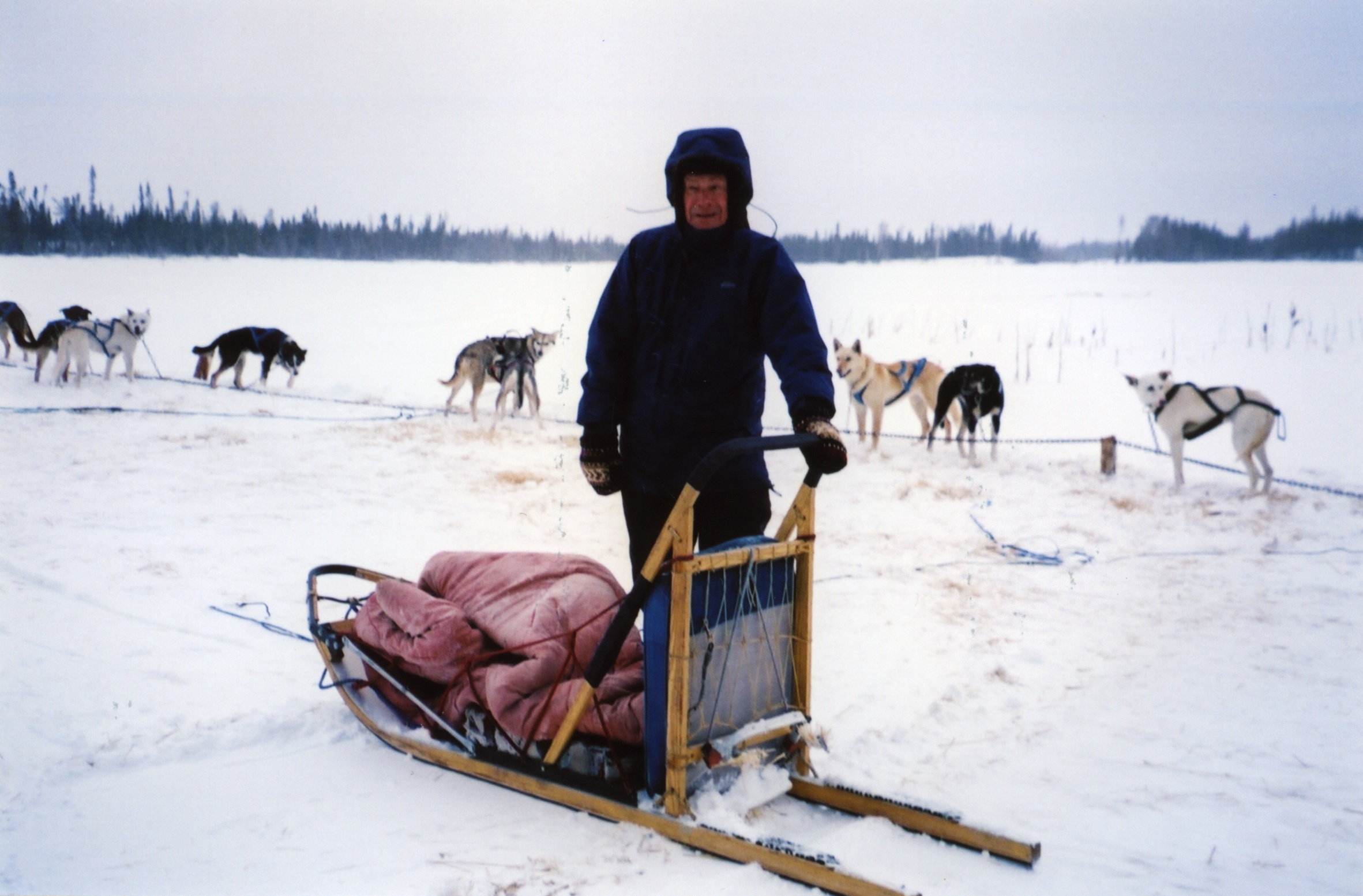
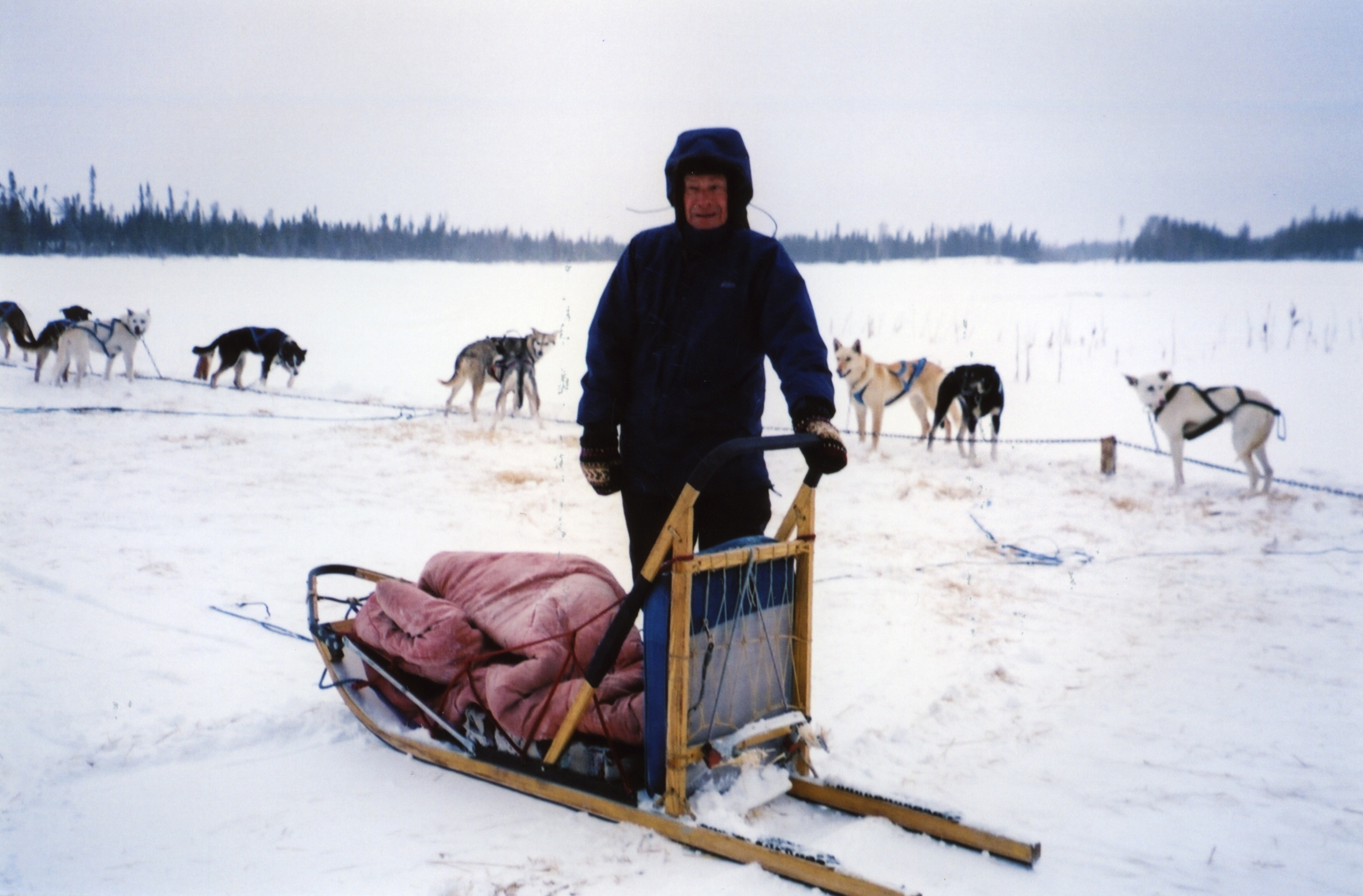
“I drive a team of six across small lakes and through undulating scrub forest to a wilderness camp seven kilometres away….Whenever there’s an apparent problem and we slow down, the lead dog turns and gives me what I take to be a disapproving look, as if he’s thinking “Where the hell did they recruit this guy?” Never mind. Biting wind and tingling toes aside, I’m having the time of my life. I’m living a boyhood dream. I’m Constable King of the RCMP, and I’m hot on the trail of the Mad Trapper of Rat River.” (“North of Sixty” in Roaming the Big Land: Flavours of Canada).

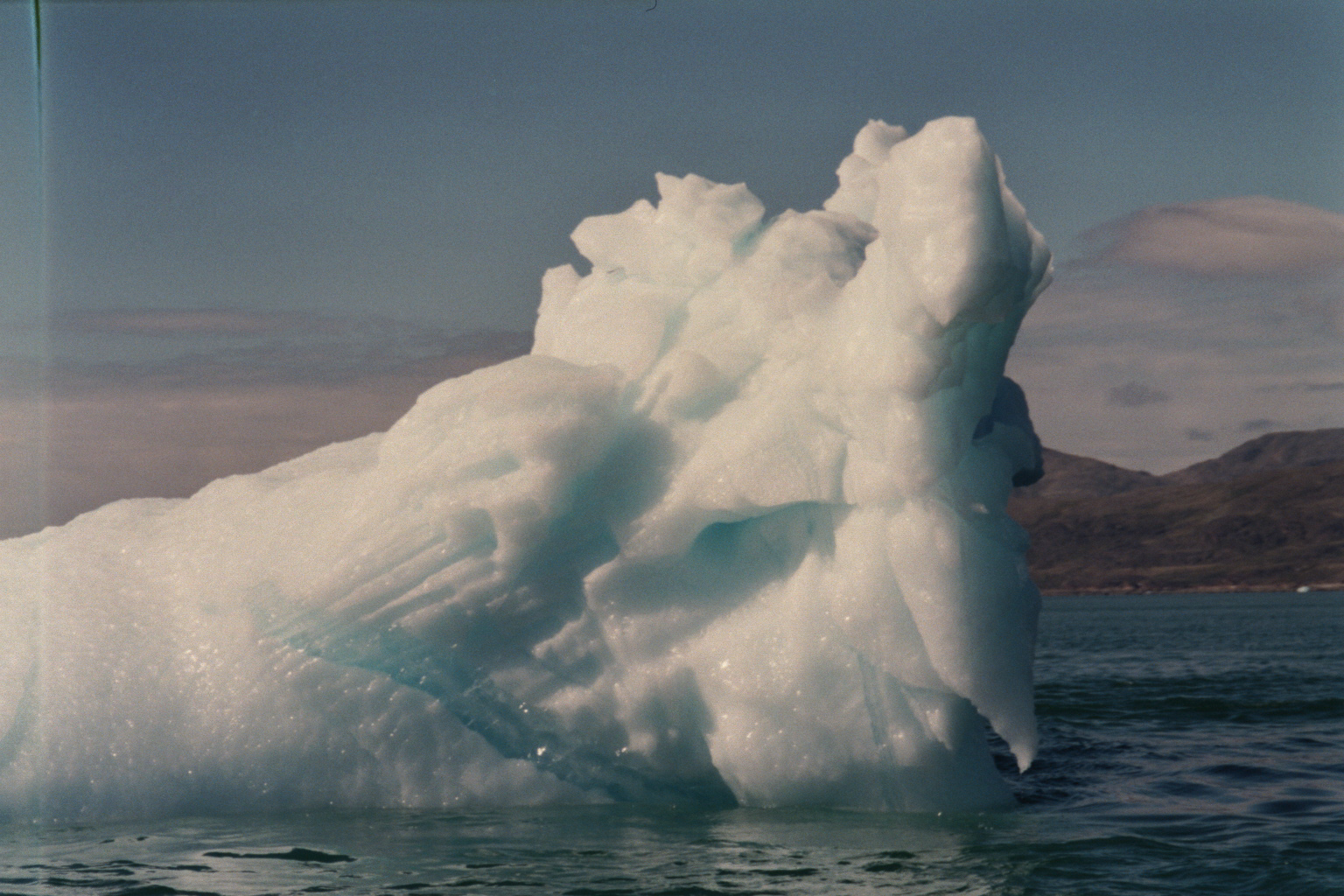
“It’s a transcendental experience. We’re actually standing on an iceberg on a vast, empty, and silent sea….drifting slowly southward toward Hudson Strait and Labrador, on ice that has presumably broken away from the massive, melting shelf on Greenland. We’re not that far in time and distrance from the nineteen men, women, and children, including several Inuit, who floated down Davis Strait past Cumberland Sound in 1872, trapped on an ice floe for 196 days….they travelled 2,400 kilometres before being rescued in the open Atlantic off Labrador.” (“Of Limits Unknown” in Roaming the Big Land: Flavours of Canada).

Can’t make it to the Downsview Public Library? You can always buy a copy of Roaming the Big Land: Flavours of Canada at: www.penumbrapress.com.

Tagged , , , , , | Leave a comment

Kiawah Island, South Carolina: Great Destination for a Winter or Spring Break

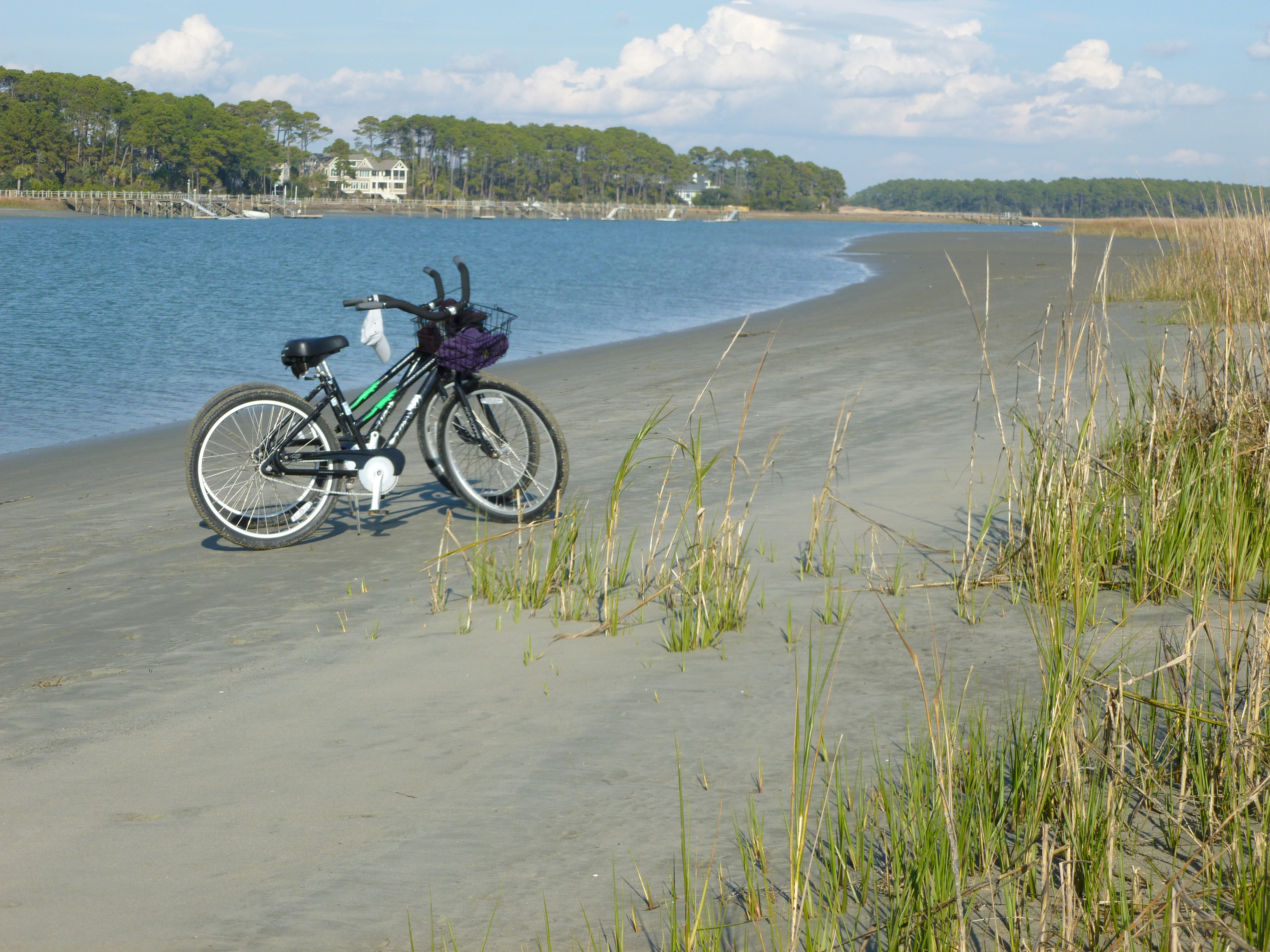
Kiawah is a barrier island on the Atlantic coast just 21 miles from the beautiful, historic city of Charleston. Comprising 10,000 acres of marshland and forest, with over ten miles of hard-packed sandy beach, five award-winning golf courses, two clay and harcourt tennis complexes, and miles and miles of bicycle trails, it is an ideal location for a relaxing, but active vacation.

In winter and spring, it may not be warm enough to satisfy some, but with temperatures usually ranging from the 50s to the 70s Fahrenheit, it is perfect if you are looking to do more than just lie on a beach in the sun (although that is possible, too), yet want to be able to exercise in comfort without undue heat and humidity. What’s more in winter and early spring, it is off-season in South Carolina so accomodation is plentiful and there are bargains to be had, especially in attractive housekeeping villas that line the beach and golf courses.

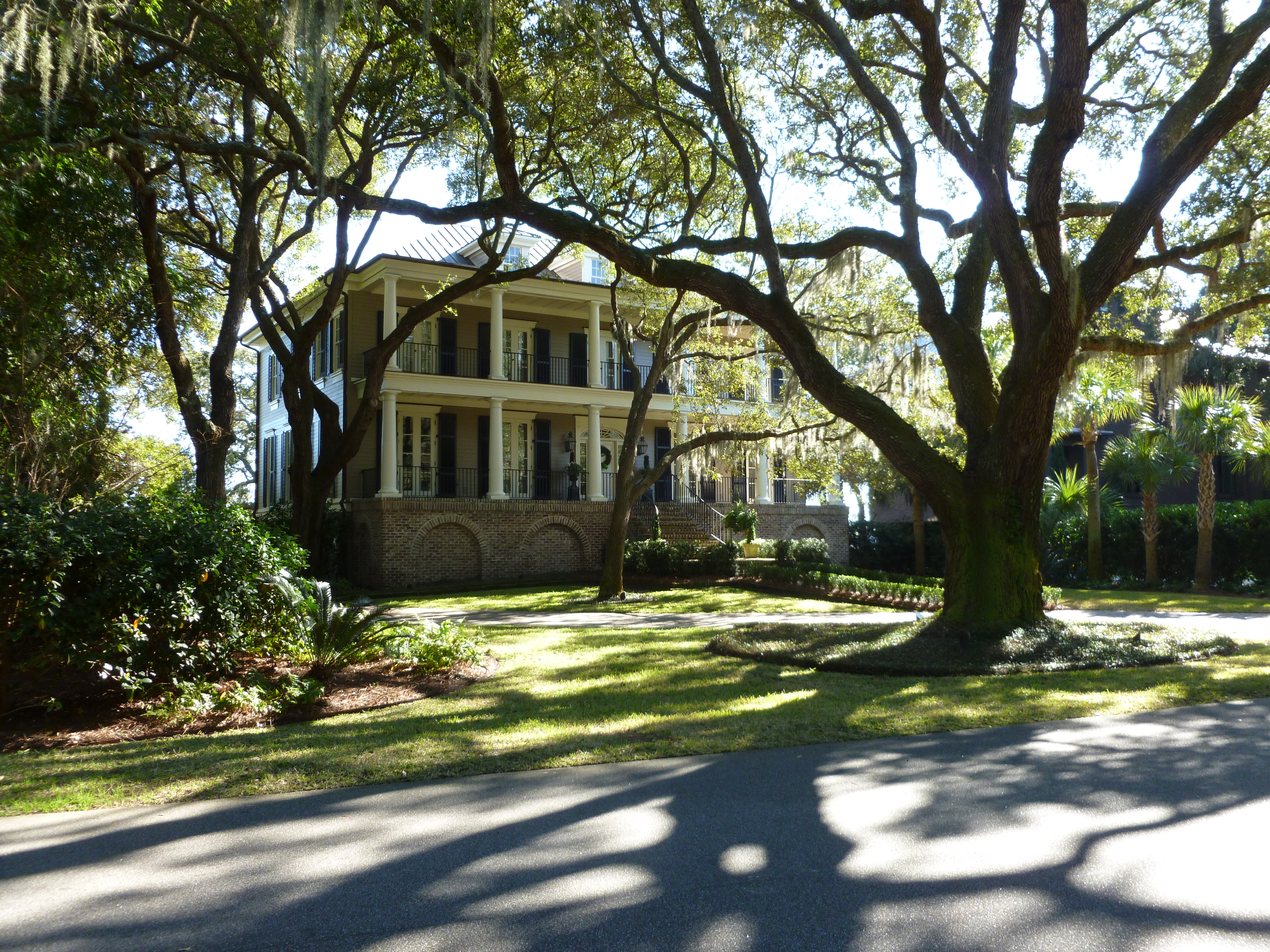
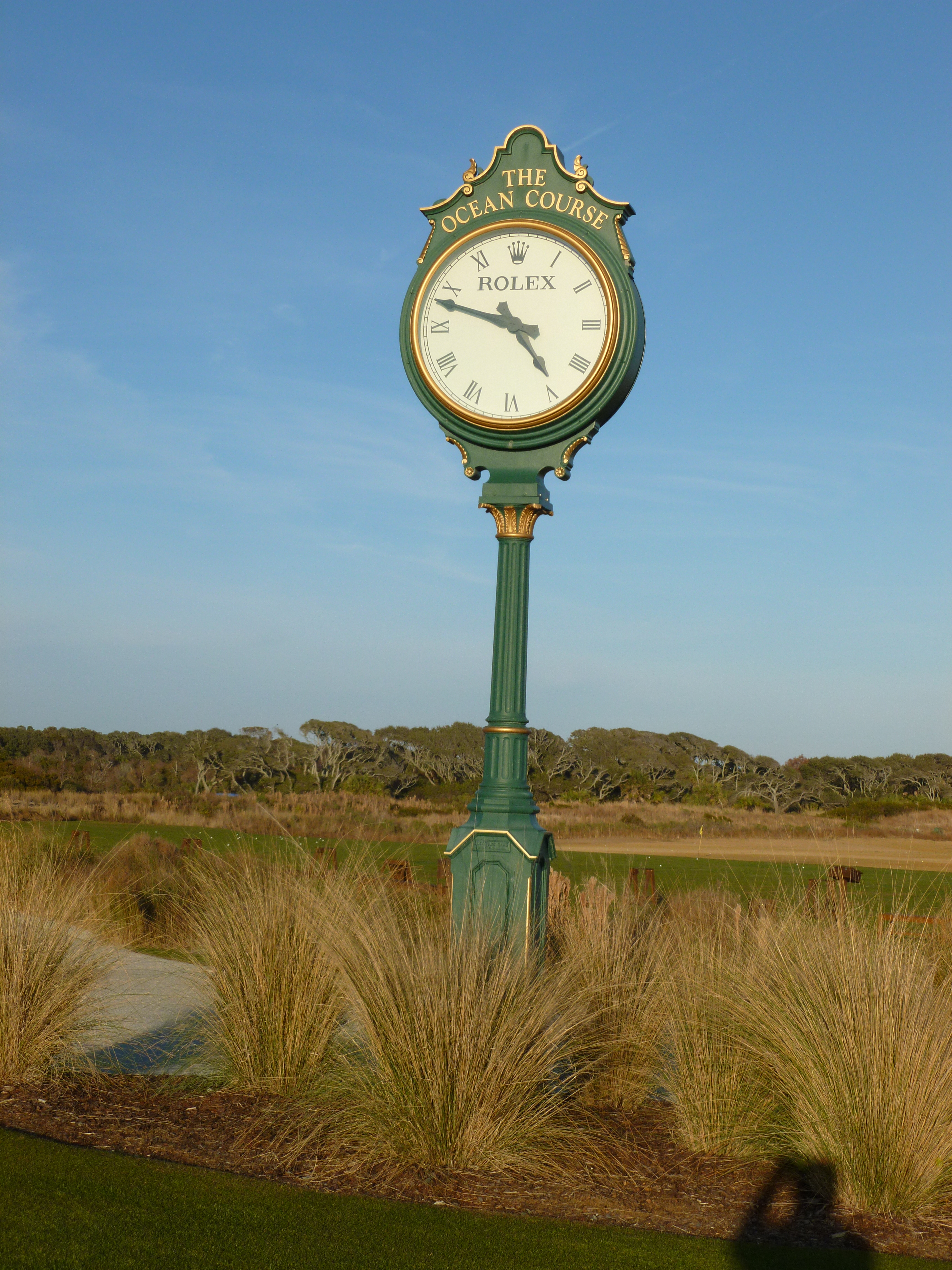
Of course, there are also luxurious homes scattered throughout the island, and many of these are available for rent as well. And on top of that there is a grand hotel on the beach where guests have the feeling they are staying in an extravagantly wealthy planation home. But a better option may be to stay in an affordable, but comfortable and attractively furnished villa and save one’s resources for golf and tennis. The facilities for both are first rate, but they’re not cheap. Kiawah is, after all, the home of the Ocean Course, one of the most challenging in North America. It was the site of the 1991 Ryder Cup, the 1997 World Cup of Golf, the 2007 Senior PGA Championship, and from August 9-12 this year, it will host the PGA Championship. The tennis complexes are also on a par with the best in the world. In fact, Kiawah is ranked the number one tennis resort in the world by tennisresortsonline.com.

Here’s how the South Carolina coast and Kiawah Island are described in Missing the Bus, Making the Connection: Tales and Tastes of Travel:

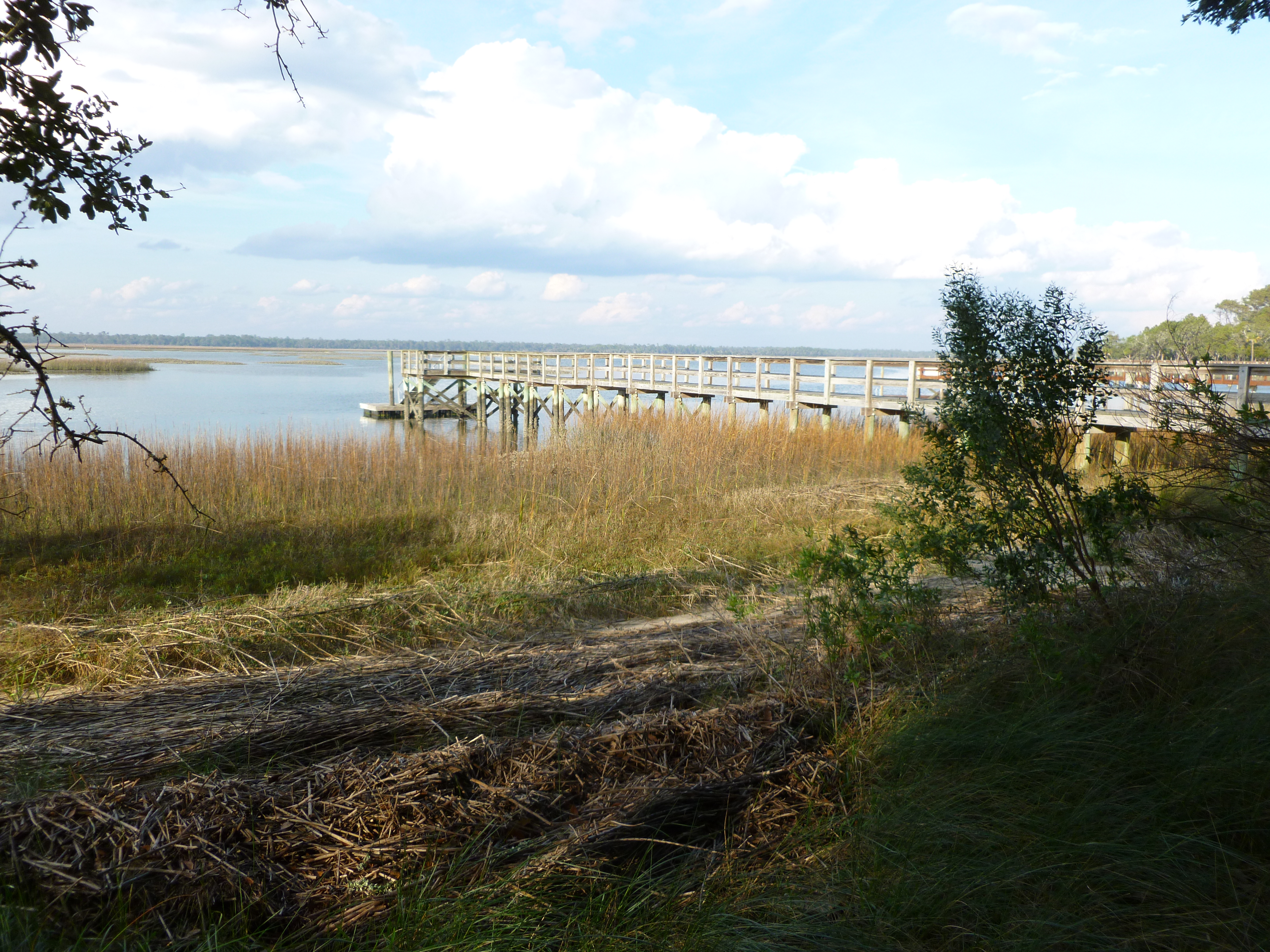
“I love those vast marshlands along murky rivers and inlets leading to the open Atlantic. Long wooden docks on tall stilts protrude from their banks like centipedes idly floating on the tidal waters. Flocks of shorebirds do the Charleston on the muddy banks, picking for insects among the oyster and crab shells. Snowy egrets, so still they seem the work of taxidermists, cling to stalks of grass, looking for prey, while turtles doze in the afternoon sun on half-submerged rotting logs and pelicans drift nonchalantly on little puffs of wind. Out on the open ocean, silhouetted against a red-beach-ball sun, shrimp boats rock in a gentle swell, nets swinging from their hulls like the wings of gypsy moths, and a line of sailboats parades toward harbour.”

In winter, “the beaches, trails, courts, and courses are…uncrowded, and there’s a quiet, unhurried feel to all the coast that puts you in harmony with the birds gliding gracefully over the salt marshes and the dolphins cruising the shore, blowing softly as they surface and dive in unison.”

“Carolina ‘Cues” in Missing the Bus, Making the Connection: Tales and Tastes of Travel.

To order, please visit: www.penumbrapress.com.

Tagged , , , , , | Leave a comment

The 421-Dollar Daypack

While a surfeit of tourists inundates Portugal’s  Algarve coast from late spring to early autumn, out of season it is so tranquil that you can understand why savvy travellers were drawn to the region long before the commercial onslaught of the 60s and ensuing decades. Today, on the cliffs above white and gold soft-sand beaches stand expensive high-rise apartments and hotels and they are backed by cheaper ones that, at the more popular resorts, roll like a surging tide several kilometres inland. Yet, all this ugliness wrought by the travel industry is invisible from the shore as we walk the almost-empty beaches in mild, sunny, mid-March weather. Indeed, the water, while certainly cool, is warm enough for us to take the occasional plunge and even body surf in waves that are strong enough at this time of year for a good ride. And,our grandsons delight at crawling through narrow rock tunnels as we move from one stretch of beach to another at places like Praia Rocha.

Even more to their liking, however, is scrambling along the rough, red clay, cliff-top trails that connect many of the beaches and fishing villages along the coast. In March they are ablaze in a vast canvas of wildflowers–white and mauve varieties of cistus, or rock rose, yellow chamomiles and sea daisies, all so profuse it feels as if we are in a tended garden rather than trudging unkempt, dusty coastal paths. Yet, practically no one else is walking and enjoying the views southward down the Atlantic, gazing at the occasional caravelle on the horizon, replicas of the sailing ships intrepid Portuguese explorers used on their voyages through these waters to the Cape of Good Hope and beyond.
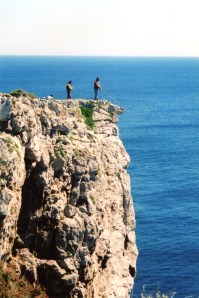
In the far western corner of the Algarve, it is quieter still, even at Cape St. Vincent and Sagres, high, rocky promintories that reach out into the Atlantic like a pair of battered telescopes. It was at the latter that Henry the Navigator established his famous school of navigation and where Magellan, Diaz, Vasco da Gama and others studied before embarking on their famous voyages of discovery. A smattering of fishermen, perched at the very edge of the cliffs, constitute the bulk of those enjoying this stunning, historic view in early spring. For some of them, however, it won’t be for long. Every year, several slip and fall to their deaths.

Wherever we go, I carry with me a venerable red daypack, purchased more than 15 years ago. It contains a sweater, waterproof jacket, camera, and snacks in case we don’t make it to our intended destination in time–usually a seaside adega or restaurant, serving fresh, grilled fish. But the pack is clearly nearing its end. Once bright red, it is now discoloured with patches of gray, black, and brown from resting too often on train and bus station platforms, under seats in restaurants and cafes, and from sloshing along muddy trails in wind and rain. There’s a large gash on the back, patched several times with masking tape, where, some years ago, while I was standing on a street corner in Madrid, a thief slashed the pack open with a pen knife. Finally, threads have come loose all over the pack, especially along the line of the zipper, making it difficult to open and close. Its days are obviously numbered.

After the Algarve, we spend several days in Lisbon and on our second last day, we take the train to the fantasylike hillside town of Sintra–“glorious Eden” in Lord Byron’s words, a village of royal palaces, luxurious villas and verdant gardens, guarded over by a Moorish Castle high above the town and shrouded in mist. Sadly, it rains hard throughout the day and, although we carry on valiantly doing all the sights, my daypack is a sodden wreck by the time we return to Lisbon. We have only one day left in Portugal, and it is clear that my pack will not be dry by the time we leave and probably no longer strong enough to hold anything of value. It’s clear how we must spend our last day–at Feira da Ladra, Lisbon’s famous flea market, reputedly one of the best in Europe. It is in the Alfana district, the oldest section of Lisbon, a maze of narrow, winding streets, clustered around the hill where ancient St. George’s Castle sits contemplating the state of the city below. While we decide to walk to the market, getting lost several times, the Alfana, like most of this once elegant, but now tired and neglected city, is serviced by tram cars. They are quaint and picturesque, but their antiquity reflects the country’s dire financial circumstances today. Indeed, overall, the appearance of Lisbon is rather like my old daypack!
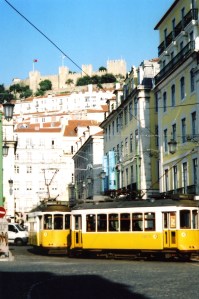
At Feira da Ladra, I eventually find a stall where, among his various wares, a man has a daypack for sale. But before I can get my hands on it, someone else grabs it and quickly agrees with the vendor on a price. “Damn! It looked good,” I say to Dot. “Just the thing I need.”

Then to my surprise, the vendor reaches under his table and pulls out another pack. He slides it forward on the grimy pavement of the market square. I lunge at it and give it a quick inspection. Looks good to me. “Quanto custa?” I ask.

“Cinquenta,” I think I hear him say.

I shake my head. “Muito caro” (too expensive).

The vendor just shrugs and I walk away.

I’m standing distractedly at another stall where Dot has found something that interests her. “You know, I’m not sure I heard that guy right. Fifty euros sounds like a lot for that pack. I mean this is a flea market, not a sporting goods store. I think I’ll go back and check.”

So I return to the vendor and ask him the price again.

“Quinze.”

“Quinze?”

“Sim. Quinze.”

Fifteen euros! I can hardly believe it. This is lower than I ever expected to pay. Since, at Fiera da Ladra, I know you are supposed to bargain, perfunctorily I offer twelve.

The vendor shakes his head, and quickly I settle for fifteen.

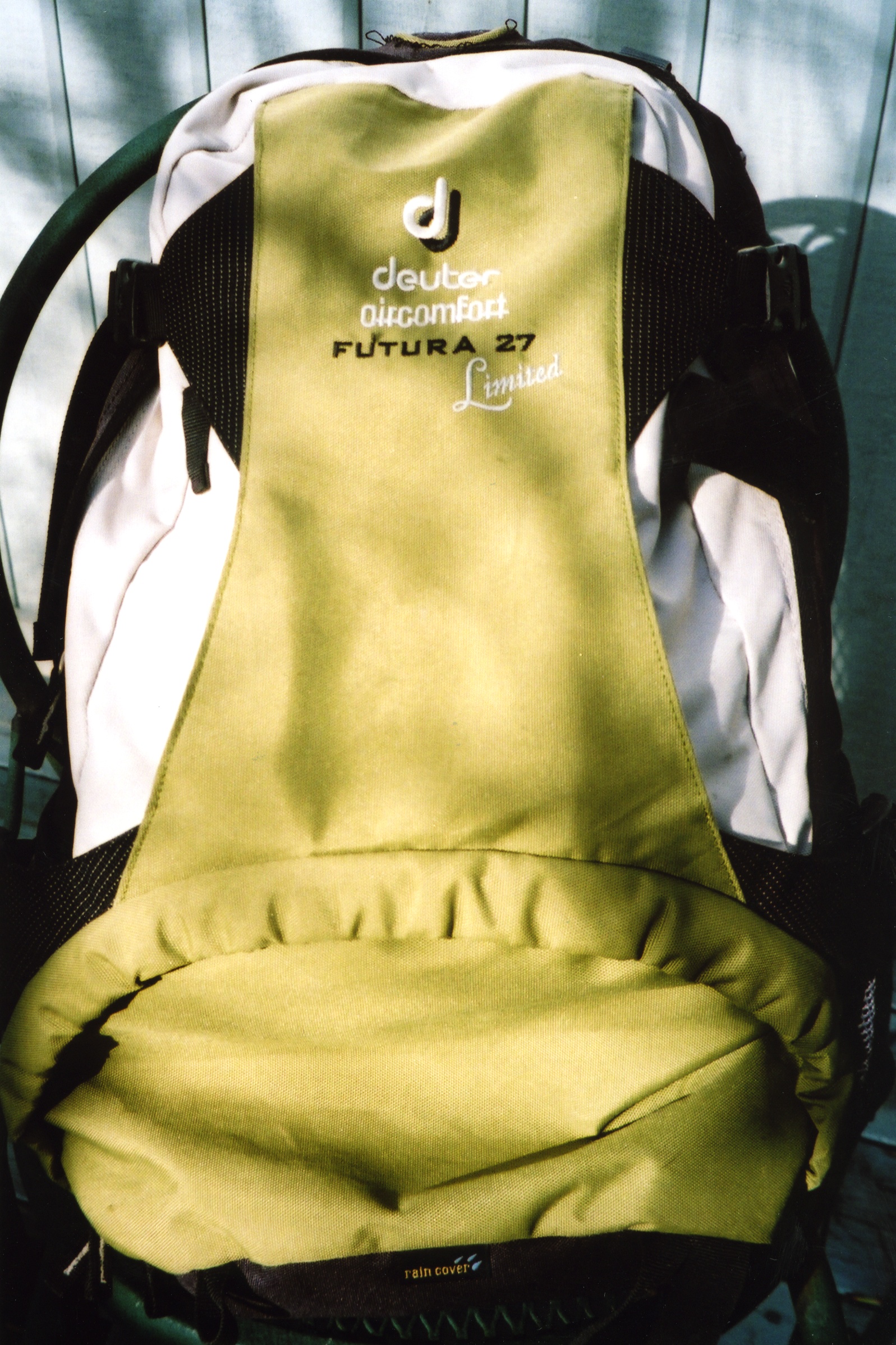
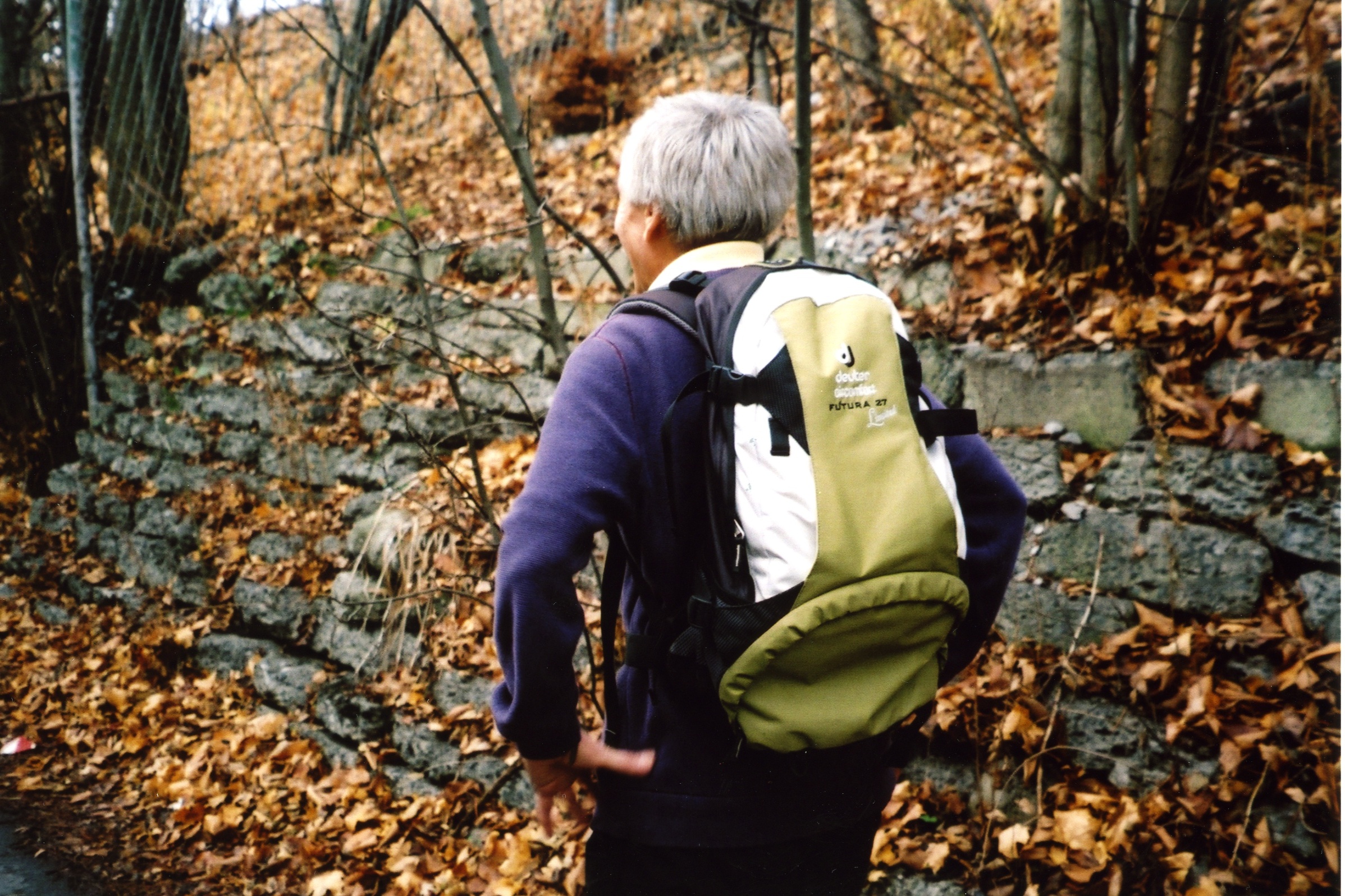
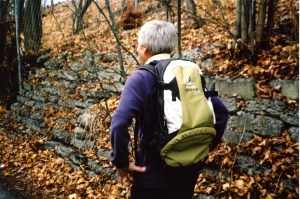
We leave Portugal early the next morning, so it’s not until we are back in Toronto that I have an opportunity to give my new daypack a careful check. But when I do so, I discover this is no ordinary daypack. It’s state of the art. The pack I have purchased–in factory-fresh condition–is a Deuter Futura 27. It’s made of a very durable fabric with a moulded back and mesh cover for “aircomfort.” The principal pocket has separate, interior nylon lining and it is large enough to carry a full change of clothes, a sweater, jacket, snacks, and probably more. Inside the main pocket is a separate, roomy pouch big enough to carry more clothing, food, or a couple of books, and another small one at the top with its own zipper to store valuables, including money and passports. On the outside of the pack, there is an additional zippered compartment where I can keep guidebooks and maps. Below this is one is yet another spacious, semi-circular, zippered pocket for my camera, sunglasses, eye glasses, a flashlight, pen knife and other sundry items. Still, this is not all. On the bottom of the pack, there is yet another pouch with its own zipper. Inside, there is a rain cover to pull over the entire pack in inclement weather, or in which to store a wet bathing suit or soggy pair of socks. Needless to say, the pack has comfortable carrying straps that are supplemented by waist and chest buckles. There are even additional buckles to secure the upper, exterior compartment to foil any would-be thieves.
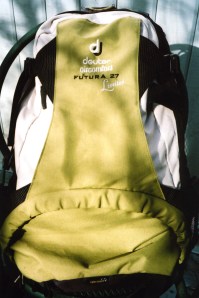
I’ve just checked and my daypack’s successor–the Futura 28–is retailing in Canada at $110. What I paid was the equivalent of about $21. What a bargain! I’m feeling very smug about my purchase.

A few days after our return, I wake up one morning with incredibly itchy, red and white lumps on one arm. The next day they have extended to my other arm. When I scratch them, the sores just get worse and the itch won’t go away. By the fourth morning, I have several welts on my legs and stomach as well. Dot who has been lying on the other side of our King-size bed has nothing. I visit our family doctor who isn’t certain what I have, but doesn’t think it is bites from some kind of insect. She prescribes an ointment that gives me minor relief.

As a precautionary move, Dot retreats to the guest room bed, leaving me as the bait if we do have bugs. Through a sleepless night, every half hour, I sit up and turn on my bedside light. Finally, around three in the morning, I spy a little brown bug slithering along my sheet. Foolishly, I quickly squish it, and a spurt of blood–mine!–smears the sheet. It’s a bed bug, I am almost positive, but it didn’t occur to me that an exterminator would need one captured alive in order to fumigate the house. So, in the morning, we launch a detailed search of the bedroom, looking under rugs, a discarded blanket, socks…..and, lying in a corner of the room waiting to be stored, the Futura 27. Suddenly, Dot spies several bugs scurrying across the floor, but before they can hide again she manages to capture one and place it in a plastic capsule.

Later that day, the exterminator confirms our find. We have bed bugs. “You’re lucky,” he says. “Looks like a small infestation. That probably means you brought the bugs back with you from Portugal. They’re just getting started.”

I sneak a furtive look in the direction of my daypack, but my glance does not escape Dot’s notice, and she fixes me with a reproachful stare. You and your dumb Futura 27, I know she is saying to herself. Twenty-one bucks, eh? Wait until we see this guy’s bill.

“We don’t know for sure that they came back in the pack,” I say defensively. “Maybe we got them at the hotel.”

“Yeah?” Dot retorts dismissively. “We were there four nights and never got bitten.”

In the end, even though it was a light infestation, it takes two fumigations three weeks apart to rid our house of bed bugs. The cost: $400. Of course, that doesn’t take account of the aggravation involved in the process, especially evacuating the house for the sprayings, stripping all our bedding and clothes from chests and closets and running everything through the washer and dryer, including the Futura 27.

Is my daypack worth the retail price of $110? Yes, I think so; it’s pretty special. But $421? No, that was too steep a price to pay. How about 15 euros, or $21? That was clearly too little. When you shop in flea markets, the old edict applies: caveat emptor; let the buyer beware. You’ll get a bargain no doubt, but you may end up with fleas as well–or something else just as bad!

For more travel stories by T.A. Keenleyside, Missing the Bus and Roaming the Big Land are now on sale together at a reduced price at: www.penumbrapress.com.
Posted in books, travel books | Tagged , , , | Leave a comment

Roaming the Big Land: Flavours of Canada wins Gourmand World Cookbook Award

The author in the Northwest Territories

T.A. Keenleyside’s Roaming the Big Land has been announced winner for English Canada of the 2011 Gourmand World Cookbook Awards in the category of culinary travel.

Roaming the Big Land is now entered in the Best in the World competition with the winner to be announced March 6, 2012 on the eve of the Paris Cookbook Fair.
Roaming the Big Land, published by Penumbra Press, takes readers on a vicarious journey to every province and territory in Canada, exposing them to distant corners and distinct cuisines. The book captures in a personal way the diverse and beguiling character of Canada and whets the appetite to know the country better.
 
This is the author’s second Gourmand award. Missing the Bus, Making the Connection: Tales and Tastes of Travel (Penumbra Press, 2008) was the 2009 winner for English Canada in the categories of food literature and culinary travel.
 
To order copies of these books, go to www.penumbrapress.com.
 
Leave a comment

Time to Say Thanks for Canada’s Great Parks

After a wonderful summer and autumn in most of Canada in the same year that we are celebrating the hundredth anniversary of our national parks, it seems appropriate to give thanks for our great system of national and provincial parks. Here’s a glimpse of a few of them from the many that are mentioned in Roaming the Big Land: Flavours of Canada:

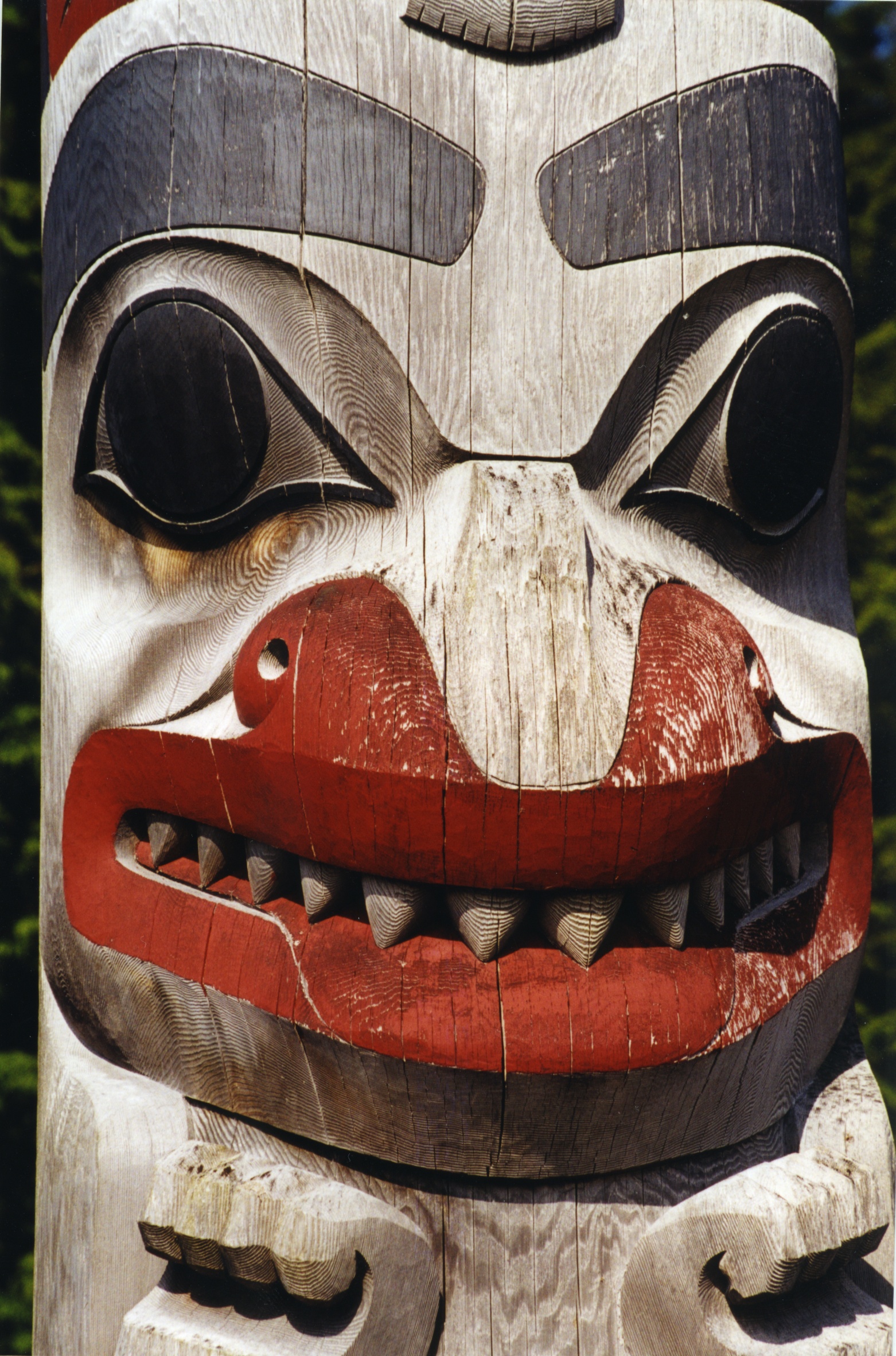
“Totem poles (are) left where the Haida first placed them–left, appropriately, to rot slowly away under the watchful eye of Haida guardians. It is not after all to see old poles in mint condition , tall in stature and solemn in bearing, that you make the long trek to the islands….Rather, it is for the feel of the wilds, of isolation, of emptiness that you take this trip, for the sense that the world is after all flat, and that you have journeyed to its very edge. Altogether, the land mass of Haida Gwaii is about half that of the Hawaiian Islands. It has been the home of the Haida First Nation for eight thousand years, yet today their population is less than six thousand.”  (Gwaii Haanas National Park, British Columbia in “Looking for Utopia.”)

“This is Dinosaur Provincial Park, one of the most important dinosaur fossil beds in the world, and a UNESCO World Heritage Site.

“As we pick our way carefully along the Badlands Trail looking for fragments of dinosaurs, I’m nervous about the reptiles and insects lurking in the sage and among the rocks. I wish that Dot and I were already in the Rockies, where we could leave it to our mounts to worry about the threats on the ground. It looks, after all, like the sort of place where we should be on horseback–straight out of an old-time western starring John Wayne or Jimmy Stewart. I’m sure some notorious bad guy is camped behind the hoodoo in front of me, his horse tethered to a rock and his six-shooter drawn, ready to blast us back to Ontario.” (Dinosaur Provincial Park, Alberta in “Rocky Ride”).

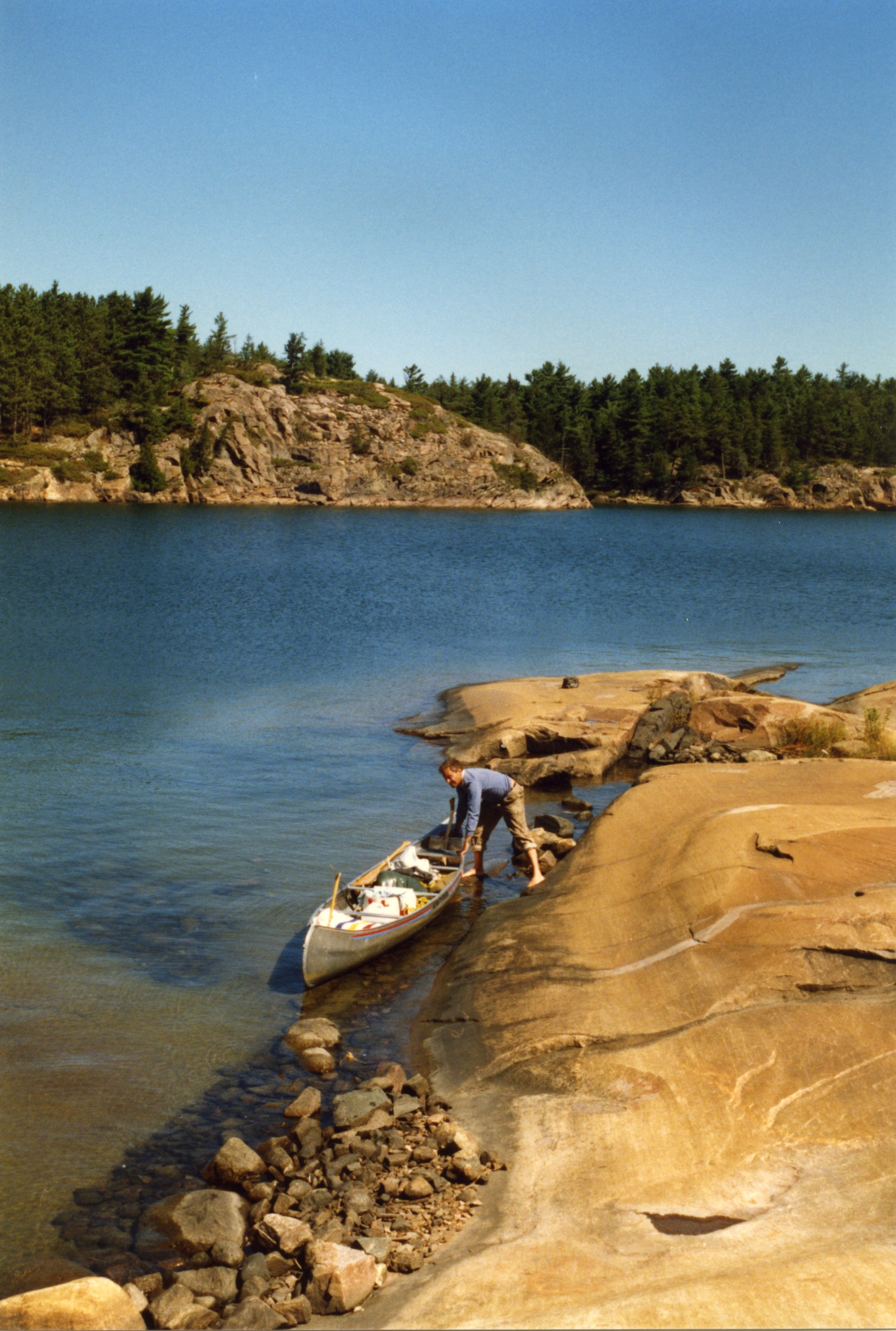
“Here’s a slice of wilderness that is perhaps the most beautiful place in Ontario….Killarney Provincial Park, that gem that’s snuggled against the northeastern shore of Georgian Bay….

“The first night, as we watch the sun slipping below the Cloche Mountains, and the still, empty shoreline flaming and then turning black, I understand once again why the priests of old Quebec feared that young habitants catching sight of the Bay would be lost to church and duty forever. So it was that an edict was issued that those who dared dip a paddle in these waters for pleasure rather than faith and commerce would be flogged in the central square of old Quebec, and on a second offence they would be banished to serve as virtual slaves in the galleys of Toulon.” (Killarney Provincial Park in “After the Last Portage”).

“Bad weather. The prospect of it briefly crosses my mind, because the highlight of our trip to Nunavut is to be a hike along the Akshayuk Pass, on Baffin Island, a lonely 97-kilometre trough through the mountains between Cumberland Sound and Davis Strait traditionally used by the Inuit to move from one hunting ground to another. Today, Auyuittuq, “land that never melts,” is a park that covers 19,000 kilometres of glacier-carved terrain….But it is no mere walk in the park. On the Internet I have been reading up on what awaits us, using Parks Canada’s extensive pre-trip planning booklet as my principal source of information.

“When it is warm and wet in the park there is increased glacial melt and the rivers rise, making crosses where there are no bridges hazardous. They are, the booklet tells us, ‘the greatest cause of death in the National Parks in Nunavut.’ The greatest? So what ranks second? What’s third?” (Auyuittuq National Park, Nunavut in “Of Limits Unknown”).

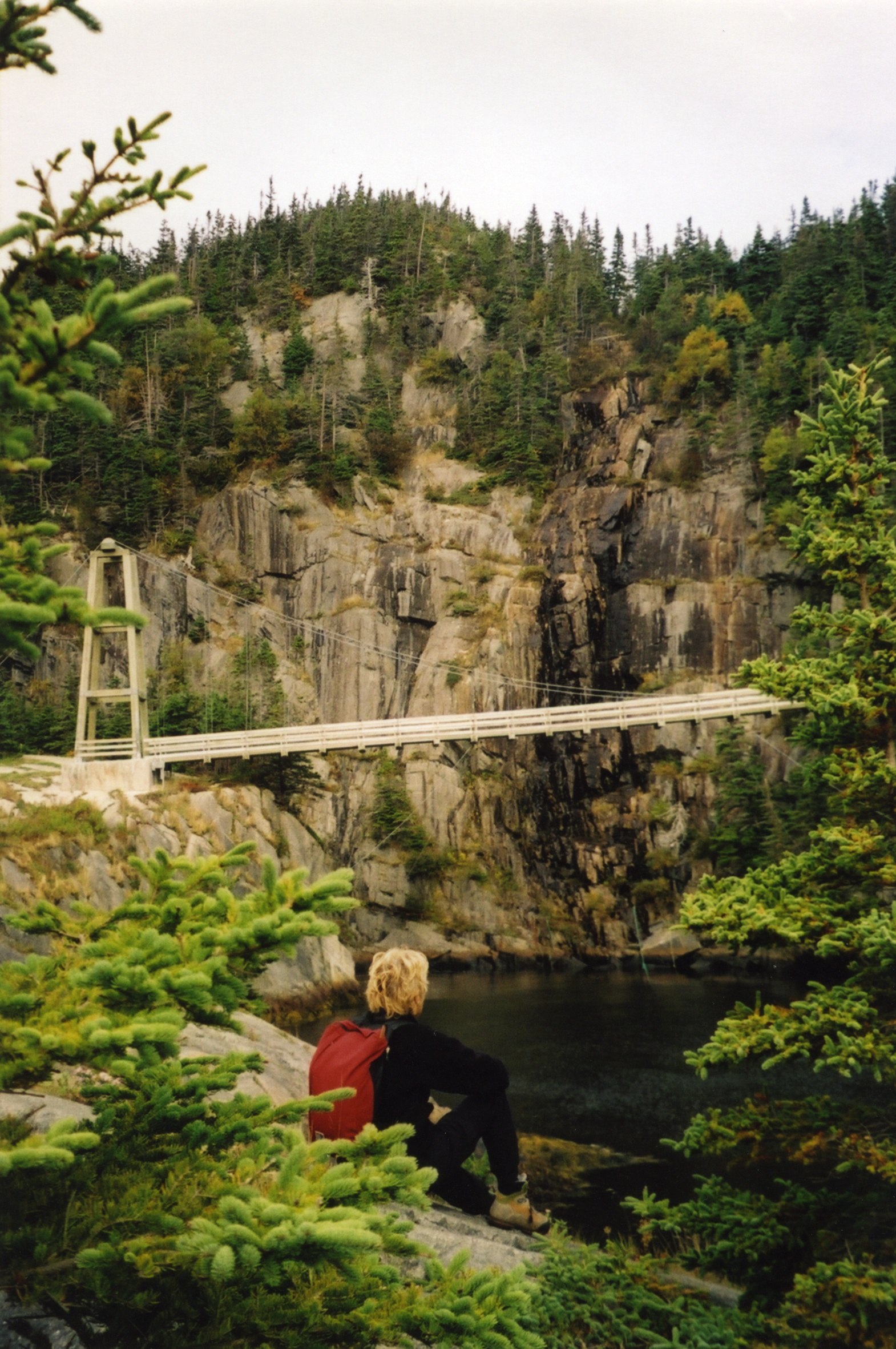
“The next day we hike from Bauline East along the coastal trail to La Manche. The stony path takes us through woods of balsam and elderberry until at last it reaches the coast again, and spectacular views unfold to the sea far below us. We descend the wrinkled slope by wooden steps to a suspension bridge over the La Manche River, where, at last, much to our surprise, we arrive in a deserted outport. In January 1966, huge waves destroyed the suspension bridge that linked the village to Bauline East, and all the residents were resettled….It’s an eerie site, and for us a moving glimpse of the isolation and hardhip of outport life in days gone by. In 1999, the East Coast Trail Association built a new suspension bridge to link La Manche once more with the villages to the north. Beside it is a plaque with a simple quotation from the Scottish poet Thomas A. Clark: ‘There are things we will never see, unless we walk to them.’ True of Newfoundland. True of all of Canada.” (La Manche Provincial Park, Newfound and Labrador in “Salty People.”)

To read lots more about Canada, why not pick up a copy of Roaming the Big Land: Flavours of Canada at your favourite bookstore? It’s a collection of entertaining and informative tales that probe in a personal way the essential character of every province and territory in the country. You can also order the book from the publisher’s website: www.penumbrapress.com/book.php?id=312. (Book retailers and libraries, please order by contacting the publisher directly: michael@penumbrapress.com).

Leave a comment

Interested in doing a little vicarious travelling and learning about the problems of being a Canadian travel writer?

Come and hear the author talk about Roaming the Big Land: Flavours of Canada, a celebration of Canada’s diversity in food and culture, at Deer Park Public Library, 40 St. Clair Ave. E. (416-393-7657)Thursday, September 29 at 12.15 p.m. Feel free to bring your lunch as the tales and recipes will certainly whet your appetite. Autographed copies of the Roaming the Big Land and of the author’s previous book, Missing the Bus, Making the Connection: Tales and Tastes of Travel will be available for purchase at reduced prices, together with a complimentary jar of mustard, made from one of the recipes in the book.

Can’t make this date? Then come for a longer talk, “Tales and Trials of an Accidental Travel Writer” at Taylor Memorial Library, 1440 Kingston Rd. (416-396-8939) on Tuesday, October 4 at 7.00 p.m.. The author will discuss the genesis of his travel/recipe books and the challenges of competing in this genre against the likes of Bill Bryson and Paul Theroux. Again, copies of both books will be available for purchase along with a complimentary jar of mustard.

Hope to see you there!

Leave a comment